
Introduction: Separating Fact from Fiction
In the world of aromatherapy, misinformation spreads easily. Many people believe that fragrance oils and essential oils are the same, or that one is always better than the other. These myths can affect how consumers choose products, how brands market them, and how diffusers are used safely and effectively.
At DiffuPure, we specialize in waterless nebulizing diffusers designed to preserve the purity of essential oils — but we also understand the role fragrance oils can play in creating pleasant, mood-enhancing environments.
In this article, we’ll debunk the most common myths about fragrance and essential oils to help you make informed choices.
 Myth 1: “Fragrance Oils and Essential Oils Are the Same”
This is one of the most widespread misunderstandings.
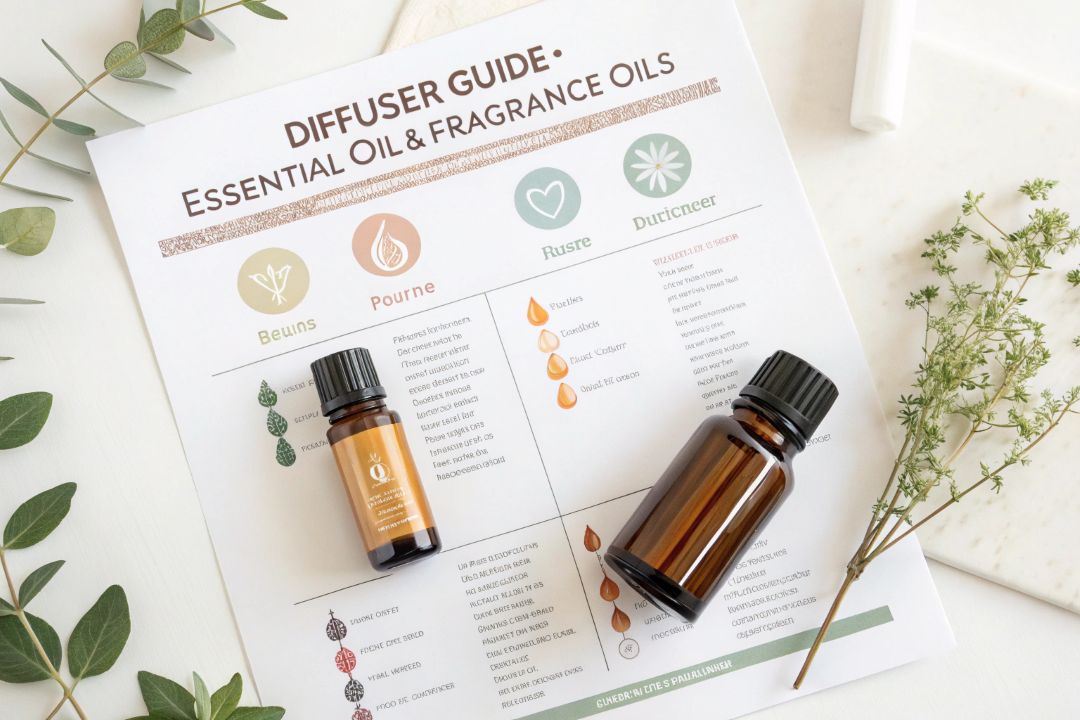
Essential oils are natural extracts derived directly from plants — through steam distillation or cold pressing. They contain the plant’s therapeutic compounds that affect both the body and mind.
Fragrance oils, on the other hand, are synthetic or blended aromas designed to mimic natural scents or create unique ones not found in nature. While they may smell pleasant, they don’t provide the same health or therapeutic benefits as essential oils.
💡 Read more: What Are the Differences Between Fragrance Oils and Essential Oils?
Myth 2: “Fragrance Oils Are Always Unsafe or Toxic”
Not necessarily. The safety of fragrance oils depends on their ingredients and intended use. Many modern fragrance oils are made with IFRA-compliant ingredients (International Fragrance Association), ensuring they meet safety standards for skin contact and inhalation in regulated amounts.
However, for pure aromatherapy, essential oils remain the preferred choice — especially when used with a nebulizing diffuser that disperses them without heat or water, preserving all natural compounds.
🔗 External reference:
Healthline – What Are Essential Oils, and Do They Work?
 Myth 3: “Essential Oils Are Always 100% Pure”
Even essential oils can vary in quality. Some low-cost oils are diluted or adulterated with synthetic additives to cut costs. To ensure purity, always buy from brands that provide GC/MS testing reports or certification of authenticity.
DiffuPure recommends working with verified essential oil suppliers who prioritize sustainability and transparency — especially for brands in the wellness and aromatherapy industry.
🌿 Internal resource: The Science of Scent: How Oils Affect Mood and Emotions
Myth 4: “You Can Use Any Diffuser for Both Oils”
While many diffusers can handle both types, not all do so effectively or safely.
-
Ultrasonic diffusers mix oils with water, which may dilute essential oil potency and sometimes react with synthetic fragrance compounds.
-
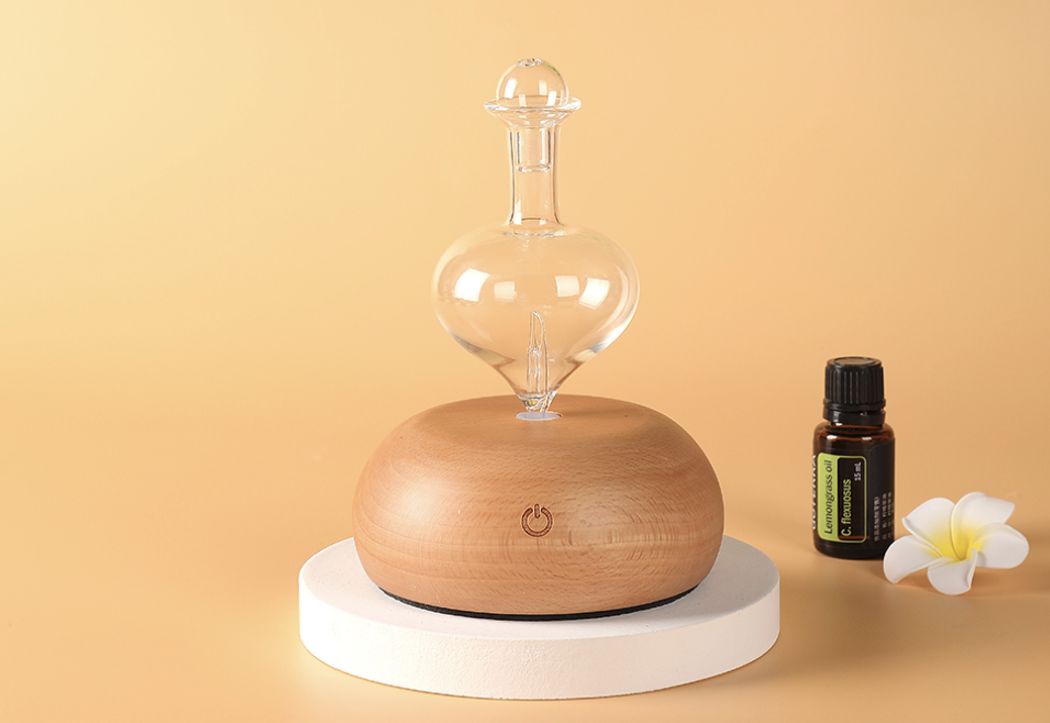
Waterless nebulizing diffusers, like those from DiffuPure, use only pure air pressure to diffuse essential oils — ideal for therapeutic-grade use and consistent aroma delivery.
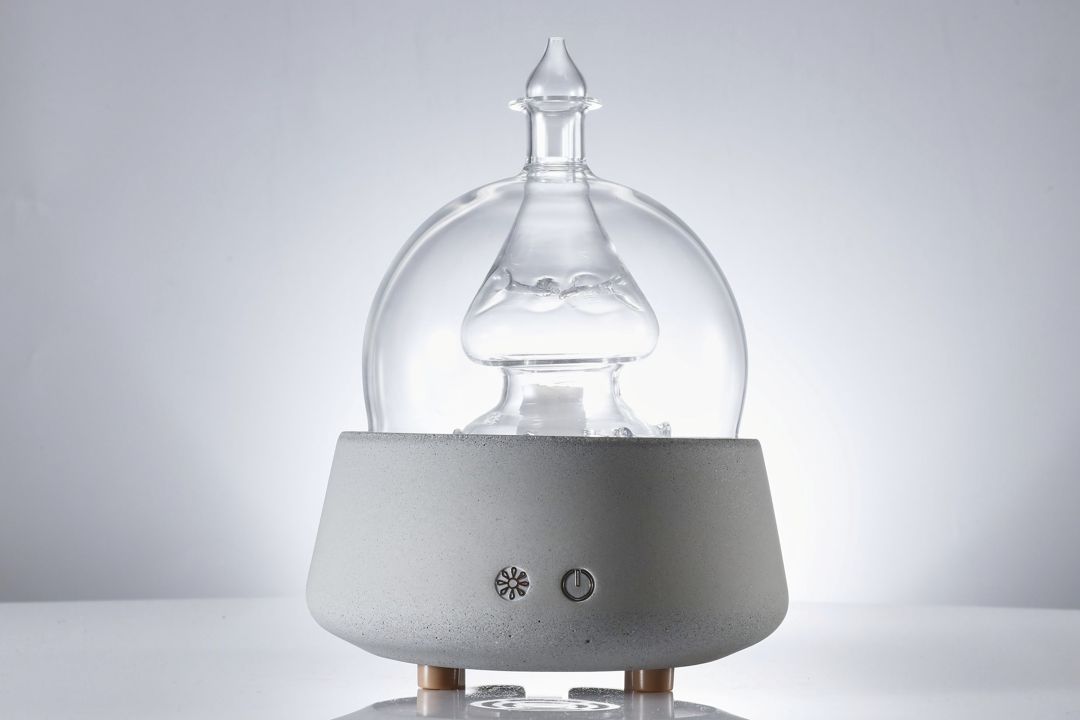
🕊️ For design inspiration, explore our Glass & Concrete Nebulizing Diffuser Collection.
Myth 5: “Fragrance Oils Have No Place in Wellness Spaces”
While essential oils excel in aromatherapy for mood regulation, relaxation, and health, fragrance oils can still enhance ambience in home décor, spas, or commercial environments.
For example:
-
A concrete diffuser in a minimalist living space might use fragrance oils for a long-lasting scent experience.
-
A wood and glass nebulizing diffuser might use essential oils for mindfulness or meditation.
Both have their place — it’s all about intent and experience.
Final Thoughts: Balance and Awareness Matter
The debate between fragrance oils and essential oils shouldn’t be about which is “better,” but about knowing the difference and using them purposefully.
When creating a wellness environment — whether at home, a spa, or a retail space — choose your oils thoughtfully and match them with the right diffuser technology to maximize both safety and sensory experience.