Introduction: Pricing Is More Than Manufacturing Cost
Many new buyers entering the aromatherapy market make the same mistake:
They focus solely on factory pricing.
However, successful diffuser brands understand that pricing is determined by much more than manufacturing cost.
When pricing a nebulizing diffuser for international markets, brands must consider:
- Product positioning
- Material quality
- Packaging
- Distribution channel
- Compliance costs
- Customer acquisition costs
- Market expectations
As a professional nebulizing diffuser supplier in China, we have worked with distributors, wellness brands, essential oil companies, and hotel suppliers worldwide.
This guide explains how successful brands build profitable pricing strategies.
Understanding the Pricing Pyramid
Most successful brands use a pricing structure consisting of:
Factory Cost
This includes:
- Glass components
- Wooden or concrete bases
- Air pump system
- Electronics
- Assembly
- Packaging
Landed Cost
Additional expenses include:
- Freight
- Customs duties
- Warehousing
- Insurance
Wholesale Price
Distributor or retailer purchasing price.
Retail Price
Final consumer selling price.
The biggest mistake is assuming retail price should simply be factory cost multiplied by two.
Premium brands rarely operate that way.
How Material Choices Affect Pricing
Material selection has a major impact on perceived value.
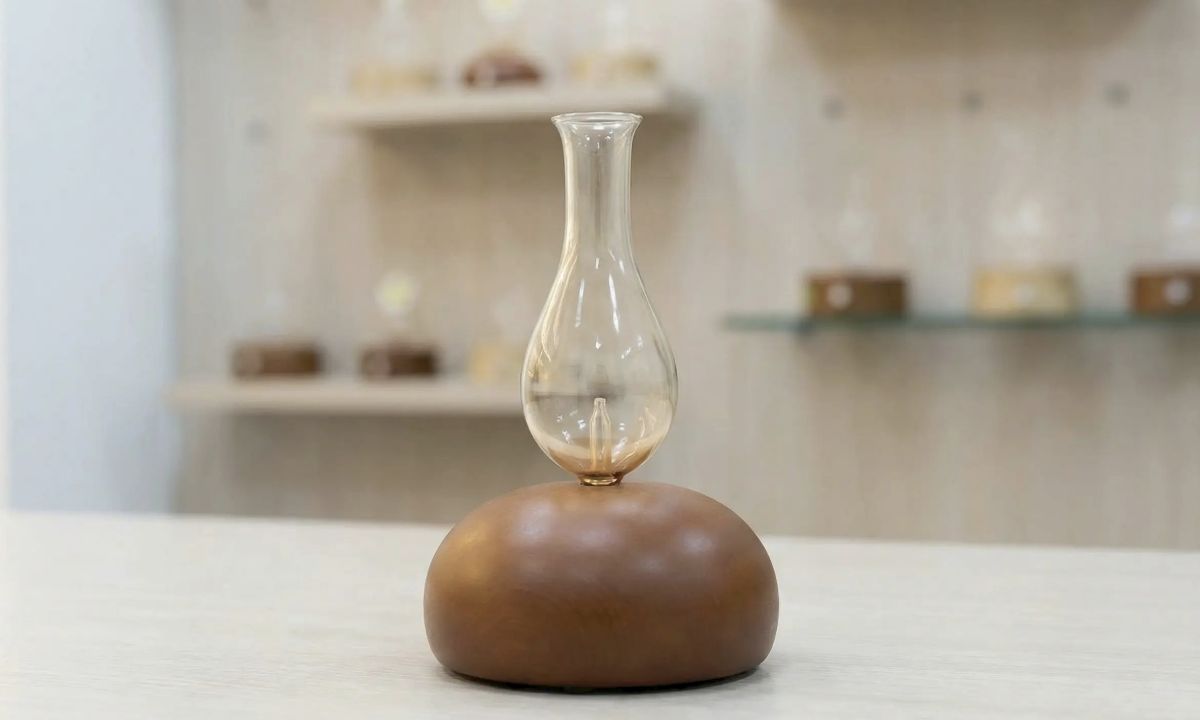
Glass + Wood Nebulizing Diffusers
Typically positioned as:
- Premium wellness products
- Natural home décor
- Aromatherapy gifts
Higher retail pricing is generally accepted because customers associate wood and glass with quality and craftsmanship.
Glass + Concrete Diffusers
Popular among:
- Minimalist brands
- Interior design stores
- Scandinavian-style retailers
Concrete often creates a stronger premium perception despite only moderate increases in production cost.
Plastic-Based Diffusers
Usually compete primarily on price and are often found in mass-market retail channels.
This creates lower margins and stronger price competition.
Learn more: Materials & Design Glass, Wood, Concrete Differences
Market Expectations by Region
United States
Customers often prioritize:
- Strong scent performance
- Premium packaging
- Wellness positioning
Premium nebulizing diffusers commonly occupy the mid-to-high-end market.
Europe
European buyers often focus on:
- Sustainability
- Material quality
- Design aesthetics
- Compliance documentation
Concrete and natural wood designs tend to perform well.
Australia
Australian consumers frequently value:
- Natural lifestyles
- Essential oil compatibility
- Eco-conscious packaging
Glass nebulizing diffusers align particularly well with these preferences.
Learn more: Essential Oil Education
Pricing by Business Model
Distributor Model
Distributors need margin for:
- Warehousing
- Sales teams
- Local marketing
Therefore, factory pricing must allow sufficient room for channel profitability.
Private Label Brands
Private label brands often invest heavily in:
- Branding
- Packaging
- Customer acquisition
As a result, retail pricing is usually positioned much higher than wholesale pricing.
Hospitality & Commercial Projects
Hotels, spas, and wellness centers typically focus less on unit price and more on:
- Reliability
- Coverage performance
- Brand image
- Long-term maintenance cost
This often supports premium pricing strategies.
Why Cheap Pricing Can Hurt Your Brand
Many buyers initially ask:
Can you make it cheaper?
The better question is:
Can this product support my target market positioning?
Excessive cost reduction often leads to:
- Lower-grade glass
- Weaker pumps
- Shorter lifespan
- Poor customer reviews
Premium wellness consumers are generally willing to pay more for:
- Better materials
- Better design
- Better user experience
A professional nebulizing diffuser manufacturer in China should help optimize value rather than simply reduce cost.
OEM & ODM Pricing Considerations
When sourcing from an OEM or ODM diffuser factory, pricing may be affected by:
Custom Logo
- Laser engraving
- Silk-screen printing
- Custom labels
Custom Packaging
- Gift boxes
- Magnetic packaging
- Sustainable materials
Product Development
- New molds
- Custom colors
- Structural modifications
ODM projects typically require higher upfront investment but can create stronger product differentiation.
Building a Premium Positioning Strategy
Instead of competing on price, many successful brands compete on:
- Design
- Sustainability
- Wellness benefits
- Giftability
- Essential oil purity
This strategy generally creates stronger margins and better long-term growth.
For brands targeting North America, Europe, and Australia, premium positioning is often more sustainable than competing in low-cost channels.
Conclusion
Pricing a nebulizing diffuser is not simply a manufacturing exercise.
The most successful brands align pricing with:
- Market positioning
- Customer expectations
- Product quality
- Packaging strategy
- Long-term brand goals
Working with an experienced nebulizing diffuser supplier in China can help brands build pricing strategies that support both profitability and sustainable growth.