Best Fragrance Oils for Commercial Aroma Diffusers: A B2B Guide
The right fragrance can transform how customers experience a commercial space. From luxury hotel lobbies to fashion boutiques and wellness centers, scent has become an important part of modern brand experience design.
However, choosing the best fragrance oils for commercial aroma diffusers involves much more than selecting an attractive scent.
Commercial fragrance oils must be compatible with the diffusion technology, perform consistently under real operating conditions, and meet relevant safety and documentation requirements.
A fragrance that works well in a reed diffuser or candle may not be suitable for a professional cold-air scent machine. Similarly, a pure essential oil intended for a glass nebulizing diffuser may behave differently from a formulated commercial fragrance oil.
For hotel operators, scent marketing companies, fragrance brands, distributors, and private-label buyers, understanding these differences is essential.
In this guide, we explore the most suitable fragrance profiles for commercial environments, the differences between essential oils and fragrance oils, and the technical factors B2B buyers should evaluate before selecting a commercial scenting solution.
Learn more: Commercial aroma diffuser guide
1. What Are Commercial Fragrance Oils?
Commercial fragrance oils are fragrance formulations developed for specific scenting applications.
They may contain natural aromatic ingredients, synthetic aroma compounds, or a combination of both.
Unlike pure essential oils, which are obtained from botanical materials, commercial fragrance oils can be formulated to achieve a wider range of scent profiles and performance characteristics.
Common commercial fragrance categories include:
-
Woody and amber fragrances
-
Fresh linen and clean cotton scents
-
Citrus and green tea fragrances
-
Floral and botanical blends
-
Oceanic and aquatic fragrances
-
Gourmand and vanilla-based scents
-
Luxury perfume-inspired accords
However, the term commercial fragrance oil does not automatically mean that a formulation is suitable for every commercial diffuser.
Compatibility depends on the oil’s composition, physical properties, and the diffusion system.
For professional scent marketing, buyers should prioritize diffuser-compatible fragrance formulations rather than purchasing oils based on fragrance descriptions alone.
Learn more: Choosing the right commercial aroma diffuser
 2. Essential Oils vs. Fragrance Oils for Commercial Diffusers
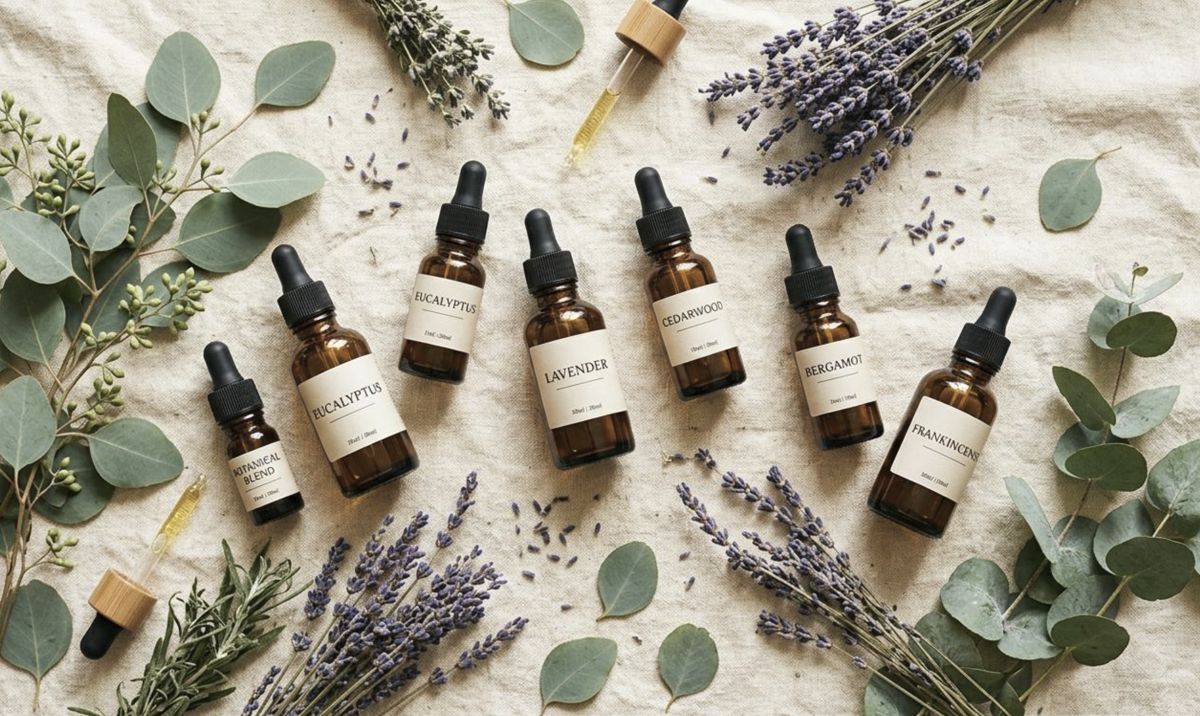
One of the most common questions from B2B buyers is whether commercial aroma diffusers should use pure essential oils or formulated fragrance oils.
Both have applications, but they serve different market needs.
| Factor | Essential Oils | Fragrance Oils |
|---|---|---|
| Origin | Botanical extracts | Natural, synthetic or blended aromatic materials |
| Scent variety | Limited by botanical sources | Wider range of scent profiles |
| Consistency | May vary between batches | Can be formulated for greater consistency |
| Cost | Often higher for rare botanical oils | Varies widely by formulation |
| Customization | Blending botanical oils | Greater flexibility in scent development |
| Common applications | Aromatherapy, wellness, premium natural brands | Hotels, retail, commercial scent marketing |
| Diffuser compatibility | Model-dependent | Formulation- and model-dependent |
When Essential Oils Are a Better Choice
Pure essential oils can be particularly relevant for:
-
Aromatherapy brands
-
Wellness centers
-
Natural lifestyle brands
-
Yoga and meditation spaces
-
Premium essential oil retailers
For these applications, glass nebulizing diffusers can offer a waterless diffusion experience without diluting the essential oil with water.
When Fragrance Oils Are a Better Choice
Formulated fragrance oils can be more suitable when businesses require:
-
Consistent signature scent profiles
-
Custom fragrance development
-
Repeatable fragrance batches
-
Large-scale commercial scenting
-
A broader range of scent styles
-
Fragrance systems designed for professional cold-air diffusion
The choice should be based on the intended application, fragrance positioning, and equipment compatibility.
For a deeper comparison, see our existing guide on Essential Oils vs. Fragrance Oils for B2B Buyers.
3. Best Fragrance Profiles for Commercial Spaces
There is no universal fragrance that works best for every commercial environment.
The ideal fragrance depends on the business’s brand identity, customer expectations, space characteristics, and desired atmosphere.
The following categories are useful starting points for commercial scent development.
Woody & Amber — Luxury Hotels
Sandalwood, cedarwood, amber and soft musk-inspired accords can support a sophisticated, warm hospitality atmosphere. Suitable for premium hotel lobbies and luxury retail.
Fresh Linen & Clean Notes — Offices
Light linen, airy floral and clean cotton accords can complement modern reception areas. Keep fragrance intensity restrained in shared workplaces.
Citrus & Green Tea — Retail Stores
Bergamot, citrus peel, green tea and light botanical accords can create a fresh, contemporary impression for lifestyle and fashion retailers.
Herbal & Botanical — Spas
Lavender, eucalyptus-inspired, rosemary and soft botanical blends can complement wellness-focused interiors. Fragrance suitability and guest sensitivity should be considered carefully.
Oceanic & Aquatic — Resorts
Marine, sea breeze, light citrus and fresh green accords can support a coastal or resort-inspired brand identity.
These are illustrative fragrance directions, not guaranteed psychological effects or universal preferences. A fragrance should always be tested with the target audience and in the actual space.
 4. How to Choose Fragrance Oils for Cold-Air Diffusers
Cold-air commercial diffusers are commonly used in professional scent marketing because they can atomize compatible fragrance formulations without adding water.
However, oil selection has a direct impact on equipment performance.
Oil Viscosity
Viscosity affects how easily a liquid moves through the diffuser’s pumping and atomization system.
An oil that is too viscous for a particular system may cause poor atomization, inconsistent output, or increased maintenance requirements.
A formulation that is too thin for a specific pump or seal configuration may also create performance issues.
Therefore, buyers should confirm the viscosity range supported by the manufacturer rather than assuming that all fragrance oils will work.
Fragrance Formulation
Different aromatic ingredients and carrier materials can affect:
-
Atomization behavior
-
Fragrance output
-
Residue formation
-
Seal and tubing compatibility
-
Cleaning frequency
-
Pump performance
A fragrance should be tested with the actual diffuser model before large-volume procurement.
Fragrance Stability
Commercial scent systems may operate for extended periods.
Buyers should evaluate whether the fragrance maintains an acceptable scent profile during storage and normal use.
This can involve checking for changes in color, odor, separation, or residue under appropriate test conditions.
Material Compatibility
Commercial diffuser components may include plastics, silicone, rubber seals, tubing, metal, and glass.
Certain fragrance ingredients can interact with some materials.
Compatibility testing is therefore particularly important for long-term commercial applications.
B2B takeaway: The best fragrance oil is not necessarily the strongest or most expensive. It is the formulation that delivers the desired scent profile while operating reliably in the selected diffuser.
5. Best Fragrance Oils for Hotel Scent Marketing
Hotels often use fragrance as part of a broader sensory branding strategy.
A well-designed hotel scent should complement the property’s positioning rather than dominate the environment.
Luxury Hotels
Common fragrance directions include:
-
Sandalwood and amber
-
Cedarwood and soft musk
-
White tea and woody accords
-
Elegant floral-wood combinations
Boutique Hotels
Boutique properties may choose more distinctive fragrance profiles inspired by their design concept or local surroundings.
Examples include:
-
Fig and green leaves
-
Bergamot and cedarwood
-
Neroli and soft woods
-
Botanical and herbal accords
Resorts
Resort fragrances may emphasize freshness, nature, or a sense of place.
Examples include:
-
Citrus and marine notes
-
Tropical floral accords
-
Green tea and botanical notes
-
Light woody fragrances
For hotel groups, fragrance consistency across properties can be particularly important.
A signature scent program should therefore include standardized fragrance specifications, diffuser settings, refill procedures, and maintenance guidelines.
Related reading: How Hotels Use Signature Scents to Improve Guest Experience.
6. Choosing Fragrance Oils for Retail Stores and Offices
Retail stores and offices have different fragrance requirements.
Retail Scent Marketing
Retailers may use fragrance to support brand identity and create a more recognizable shopping environment.
A luxury fashion boutique might choose a sophisticated woody fragrance, while a natural skincare retailer might prefer a fresh botanical scent.
However, fragrance should not interfere with product evaluation, especially in stores selling perfumes, cosmetics, or scented products.
Office Scenting
Office environments generally require a more conservative approach.
Employees may spend many hours in the same space, so fragrance intensity and individual sensitivities matter.
Important considerations include:
-
Low and adjustable intensity
-
Limited scent zones
-
Appropriate ventilation
-
Staff feedback
-
Clear operating schedules
-
The ability to disable scenting when necessary
A scent that seems pleasant during a short visit may not be suitable for continuous exposure throughout a working day.
For offices, subtle and controllable fragrance use is generally more appropriate than strong scent projection.
7. How Fragrance Oils Affect Diffuser Performance and Maintenance
Fragrance oil selection can influence the performance and maintenance requirements of a commercial aroma diffuser.
Potential issues include:
Residue Buildup
Some formulations may leave residue in the atomization system, particularly if they contain materials that do not atomize efficiently in the selected equipment.
Inconsistent Fragrance Output
Changes in viscosity, formulation, temperature, or operating settings may affect output.
Pump and Atomizer Wear
Unsuitable formulations can increase maintenance demands or contribute to component problems.
Fragrance Cross-Contamination
Switching between different fragrances without appropriate cleaning may cause unwanted mixing of scent profiles.
For businesses managing multiple commercial diffusers, these issues can increase labor costs and downtime.
This is why fragrance compatibility testing should be part of equipment evaluation.
8. Fragrance Safety, IFRA Standards and Commercial Use
Safety and regulatory compliance should be part of every professional scenting project.
The International Fragrance Association (IFRA) develops standards governing the use of certain fragrance ingredients.
These standards are an important part of fragrance safety management, but they do not replace applicable laws or a product-specific safety assessment.
B2B buyers should request relevant documentation from their fragrance suppliers, which may include:
-
Safety Data Sheet (SDS)
-
IFRA Certificate of Conformity for the relevant intended use, where applicable
-
Product specifications
-
Recommended usage conditions
-
Ingredient or allergen information required by the destination market
-
Storage and handling instructions
An IFRA Certificate of Conformity is typically issued by the fragrance supplier, not directly by IFRA.
Commercial scenting also requires consideration of indoor air quality.
The US Environmental Protection Agency’s indoor air quality resources provide background on indoor air pollutants, ventilation, and exposure considerations.
Fragrance products introduce airborne substances, and some occupants may experience irritation or sensitivity. Operators should not assume that a pleasant scent is automatically harmless for everyone.
In healthcare, workplaces, and other shared environments, local policies and occupant needs should be reviewed before installing a fragrance diffusion system.
9. How to Test Fragrance Oils Before a Commercial Rollout
For hotel groups, retailers, fragrance brands, and scent marketing companies, a small pilot project is generally preferable to immediate large-scale deployment.
Step 1: Confirm Equipment Compatibility
Provide the diffuser supplier with the intended fragrance specifications and request compatibility guidance.
Step 2: Test the Actual Formulation
Use the fragrance that will be supplied commercially, rather than assuming a similar scent will behave identically.
Step 3: Evaluate Fragrance Distribution
Assess scent performance in the actual environment, considering airflow, ceiling height, ventilation, and room layout.
Step 4: Measure Consumption
Record fragrance usage under realistic operating schedules.
Step 5: Monitor Maintenance
Check for residue, clogging, leakage, component wear, or changes in output.
Step 6: Gather Feedback
Evaluate scent acceptance among relevant users, guests, staff, or customers.
A successful pilot should demonstrate not only fragrance appeal but also reliable diffuser operation, acceptable consumption, and practical maintenance requirements.
 10. What B2B Buyers Should Ask Their Fragrance and Diffuser Suppliers
Commercial scenting projects frequently involve two suppliers: a fragrance manufacturer and a diffuser equipment manufacturer.
Good coordination between them can reduce compatibility problems.
Before confirming a project, buyers should clarify:
| Question | Why It Matters |
|---|---|
| Is the fragrance compatible with the selected diffuser? | Helps avoid atomization and component problems |
| What is the recommended viscosity range? | Supports stable operation |
| Has the formulation been tested in the machine? | Reduces performance uncertainty |
| What documentation is available? | Supports safety and compliance review |
| What is the estimated fragrance consumption? | Helps calculate operating cost |
| What maintenance is required? | Helps plan service intervals |
| Can the scent profile be supplied consistently? | Important for multi-location branding |
| Can the diffuser be customized? | Relevant to OEM/private-label buyers |
| Are replacement parts available? | Supports long-term operation |
These questions are especially important for international buyers sourcing commercial scenting equipment from China.
11. OEM & ODM Opportunities for Commercial Fragrance Brands
For fragrance companies and scent marketing distributors, the diffuser itself can become an important part of the business model.
Instead of selling fragrance oil alone, a brand may develop a complete scenting solution that includes:
-
Commercial scent diffuser hardware
-
Compatible fragrance refills
-
Branded packaging
-
Replacement accessories
-
Maintenance guidance
-
Customized product appearance
This creates opportunities for OEM and ODM manufacturing.
OEM Commercial Aroma Diffusers
OEM services may include logo application, color customization, packaging, manuals, and selected product configurations.
ODM Commercial Scent Diffusers
ODM projects may involve deeper development, including industrial design, hardware changes, control systems, fragrance delivery mechanisms, and other technical requirements.
For buyers searching for a commercial aroma diffuser manufacturer in China, it is important to choose a supplier that understands the intended fragrance application—not just the physical appearance of the product.
12. How DiffuPure Supports Commercial Fragrance Diffuser Projects
DiffuPure focuses on B2B waterless nebulizing diffuser solutions and OEM/ODM development for international customers.
Our product portfolio addresses different market needs.
Premium Glass Nebulizing Diffusers
Our glass & wood and glass & concrete diffuser designs are particularly relevant for:
-
Essential oil brands
-
Wellness businesses
-
Boutique hospitality
-
Premium home fragrance brands
-
Aromatherapy retailers
These products are positioned around premium aesthetics and waterless essential oil diffusion.
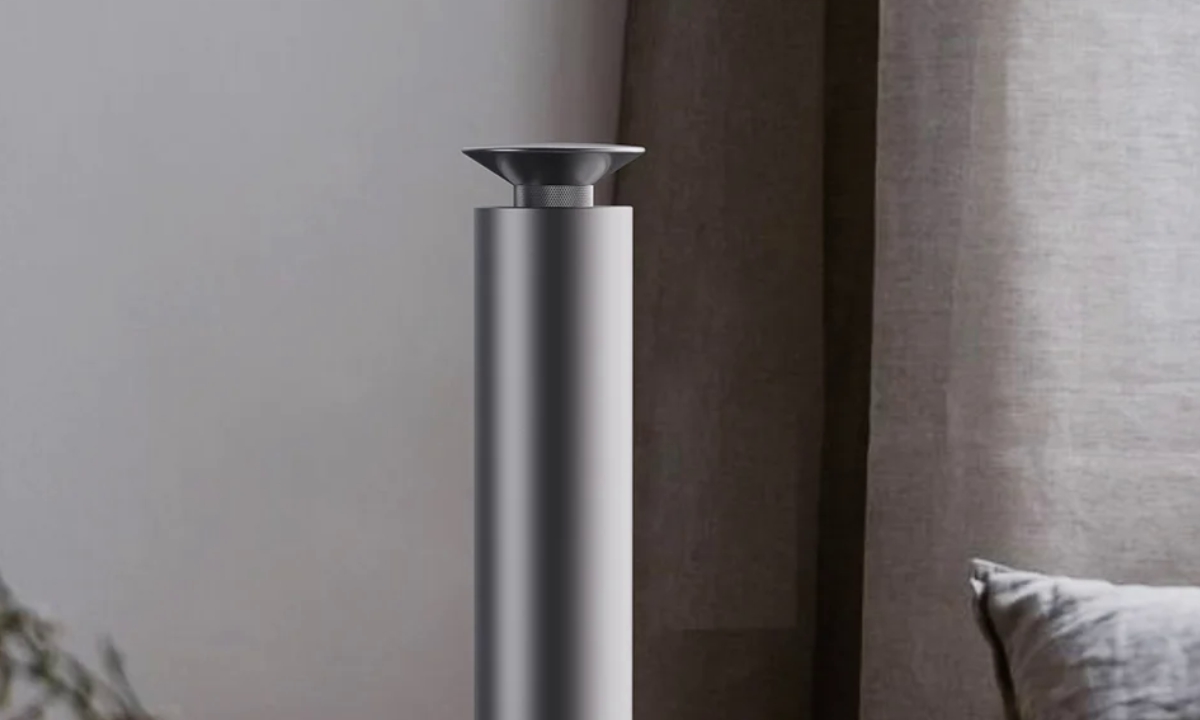
Commercial Cold-Air Scent Diffusers
For commercial fragrance applications, DiffuPure also offers waterless scent diffusion solutions in aluminum and other housing configurations.
Depending on the model and project requirements, these products can be considered for:
-
Hotels
-
Offices
-
Retail stores
-
Commercial properties
-
Scent marketing distributors
-
Fragrance brands
We support international B2B buyers with product selection, OEM branding, packaging customization, and ODM development coordination.
For projects involving fragrance oils, compatibility testing remains an important part of selecting the right equipment.
Looking for a commercial scent diffuser supplier in China?
Contact DiffuPure to discuss your fragrance type, intended application, coverage requirements, and OEM/ODM needs.
Conclusion: The Best Fragrance Oil Depends on the Complete Scenting System
The best fragrance oils for commercial aroma diffusers are not determined by scent popularity alone.
A suitable commercial fragrance must combine:
-
An appropriate scent profile
-
Compatibility with the diffusion technology
-
Consistent performance
-
Acceptable fragrance consumption
-
Practical maintenance requirements
-
Relevant safety and regulatory documentation
Hotels may prioritize a recognizable signature scent, retailers may focus on brand differentiation, and offices may require subtle, controllable fragrance.
For B2B buyers, the most effective approach is to evaluate the fragrance oil and commercial aroma diffuser together as one system.
By selecting compatible fragrance formulations and reliable equipment, businesses can build a more consistent and manageable scent marketing program.
DiffuPure supports international fragrance brands, distributors, hospitality suppliers, and private-label businesses with waterless nebulizing diffuser and commercial scenting equipment solutions.
Contact us at [email protected] to discuss your commercial aroma diffuser project.
Frequently Asked Questions
What is the best fragrance oil for a commercial aroma diffuser?
The best fragrance oil is one that matches the intended scent profile and is compatible with the specific diffuser model. Woody, fresh, citrus, floral and botanical fragrances are common options, but equipment compatibility and safety should be evaluated before commercial use.
Can I use regular fragrance oil in a cold-air diffuser?
Not necessarily. Fragrance oils developed for candles, soaps or other applications may not perform properly in cold-air diffusion equipment. Confirm compatibility with the diffuser manufacturer before use.
Are essential oils better than fragrance oils for commercial scent marketing?
Neither is universally better. Essential oils may suit natural aromatherapy and wellness brands, while formulated fragrance oils can offer greater flexibility for signature scent development and commercial scent marketing.
What fragrance oils are commonly used in hotels?
Hotels may select woody, amber, white tea, citrus, floral or botanical fragrance profiles depending on their brand identity and intended guest experience.
How do I know if a fragrance oil is compatible with a nebulizing diffuser?
Check the manufacturer’s specifications and conduct testing with the intended fragrance formulation. Viscosity, atomization performance, residue, material compatibility and maintenance requirements should be evaluated.
Can commercial scent diffusers be customized for fragrance brands?
Yes. Depending on the manufacturer and order requirements, OEM/ODM customization may include logos, housing colors, packaging, controls, product design and fragrance delivery configurations.