Introduction: Why Materials Matter in Diffuser Design
When selecting an aroma diffuser for commercial, wellness, or premium home applications, materials are far more than a design choice.
They directly affect scent purity, durability, maintenance costs, and brand perception.
For B2B buyers sourcing from a nebulizing diffuser supplier in China, understanding the differences between glass, wood, and concrete is critical—especially when comparing nebulizing diffusers vs ultrasonic diffusers.
This article breaks down how each material performs and where it is best suited for OEM and ODM projects.
 Glass Diffusers: Purity and Performance First
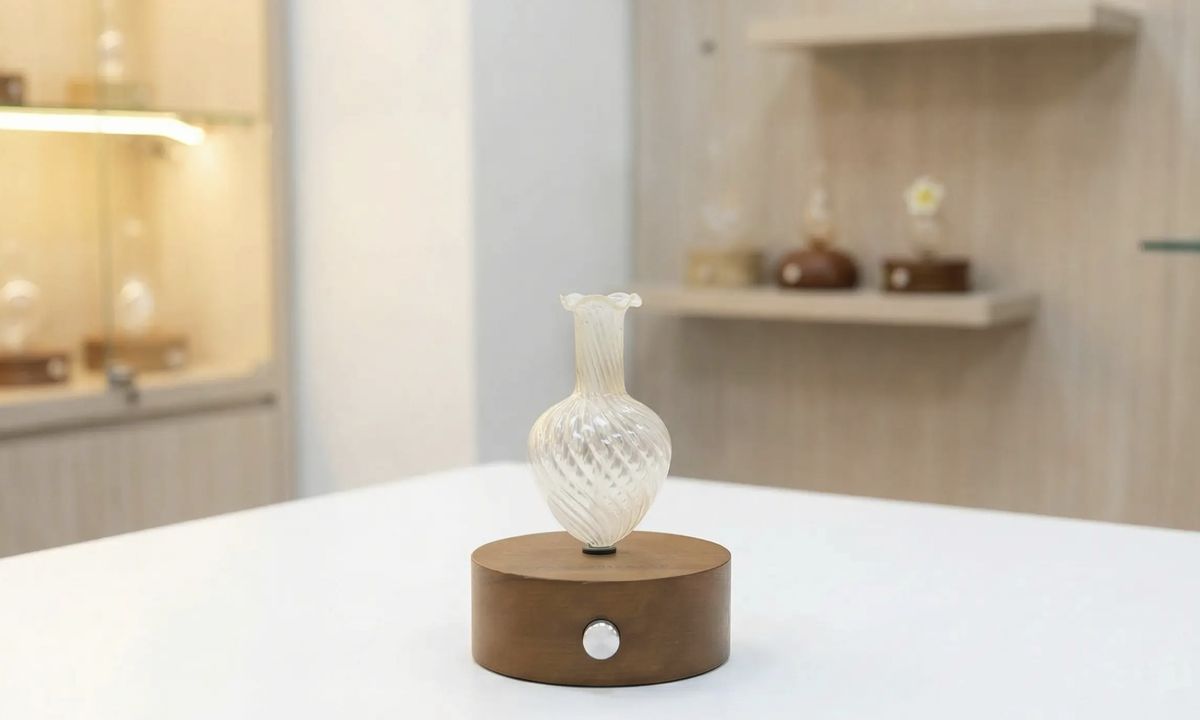
Glass is the most important material in waterless nebulizing diffusers.
Key Advantages
-
Chemically inert — no reaction with essential oils
-
Preserves essential oil molecular structure
-
No odor absorption or residue buildup
-
Ideal for therapeutic and professional aromatherapy
Because nebulizing diffusers atomize pure essential oils without water or heat, glass chambers ensure maximum scent integrity and safety.
👉 See more:
How Nebulizing Diffusers Preserve Essential Oil Chemistry
Wood Bases: Natural Aesthetics with Structural Support
Wood is commonly used as the outer base, not the oil-contact component.
Why Brands Choose Wood
-
Warm, natural appearance for wellness spaces
-
Strong alignment with eco-conscious and premium brands
-
Lightweight and easy to customize (OEM finishes, colors)
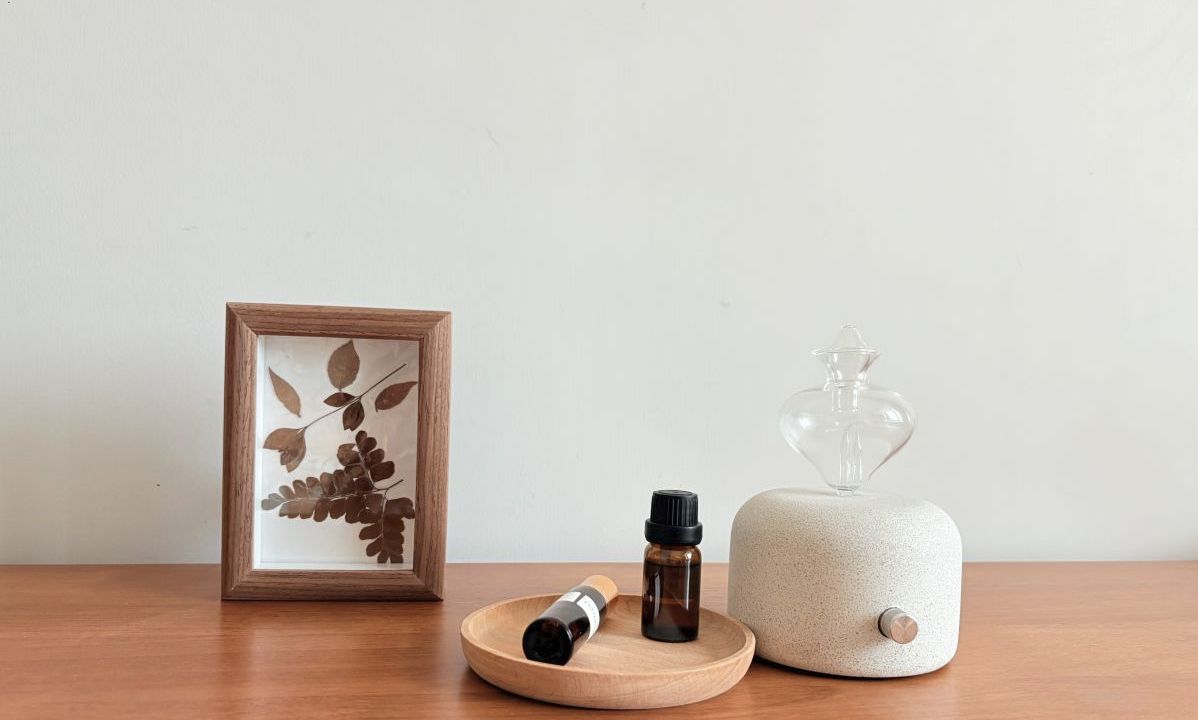
However, wood should never contact essential oils directly, which is why professional diffuser manufacturers in China separate the glass chamber from the wooden base.
 Concrete Diffusers: Stability, Minimalism, and Brand Identity
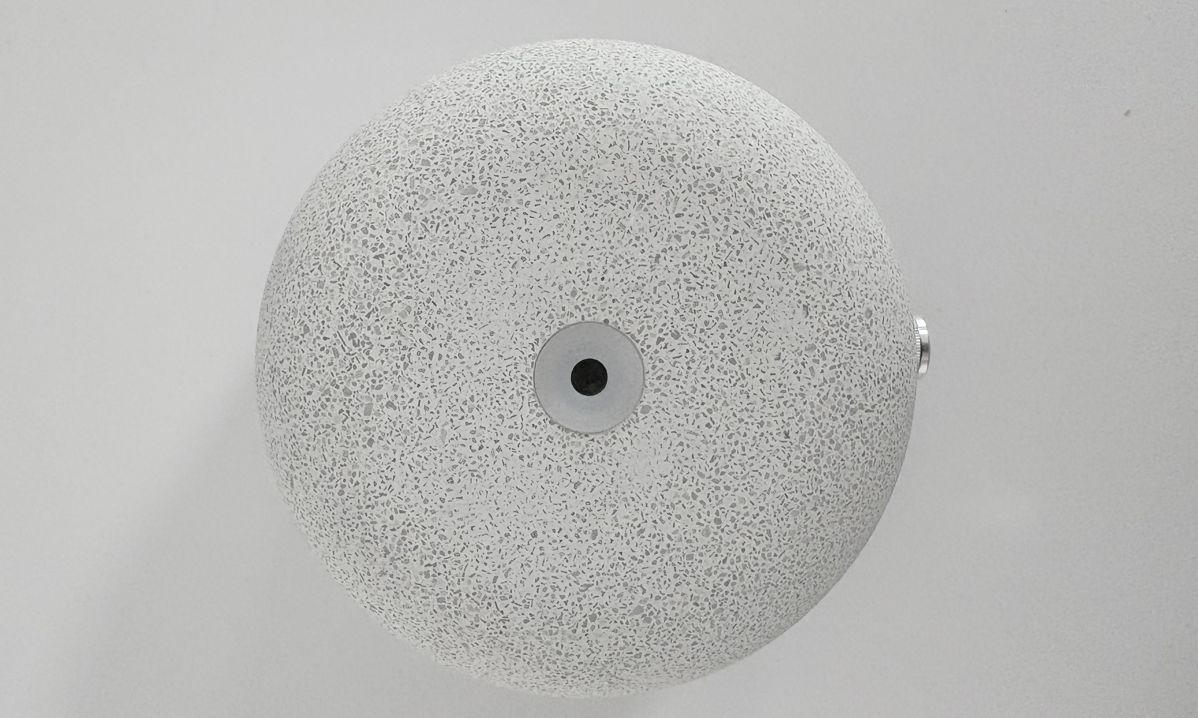
Concrete has emerged as a leading material in high-end nebulizing diffuser design.
Benefits of Concrete Bases
-
Exceptional stability (ideal for commercial use)
-
Minimalist, architectural aesthetics
-
Strong association with luxury, design-forward brands
-
Long lifecycle with minimal wear
Concrete bases paired with glass nebulizing chambers are increasingly requested in ODM projects targeting Europe, North America, and the Middle East.
👉 Learn more:
Concrete Nebulizing Diffusers for Modern Interiors
How Materials Differ Between Nebulizing and Ultrasonic Diffusers
| Feature | Nebulizing Diffuser | Ultrasonic Diffuser |
|---|---|---|
| Oil Contact Material | Glass | Plastic |
| Water Required | No | Yes |
| Material Impact | Critical to performance | Mostly cosmetic |
| Long-Term Durability | High | Moderate |
| Scent Purity | Very high | Diluted |
Ultrasonic diffusers rely heavily on plastic water tanks, which can absorb fragrance oils and degrade over time—making material selection less performance-driven.
Material Choice from a B2B OEM & ODM Perspective
When sourcing from a nebulizing diffuser factory in China, material selection affects:
-
Manufacturing cost structure
-
MOQ and customization flexibility
-
Target market positioning
-
Compliance with wellness and safety standards
Glass + Wood → wellness brands, spas, aromatherapy professionals
Glass + Concrete → luxury home brands, boutique hotels, design studios
👉 Learn more:
How to Choose the Right Nebulizing Diffuser Factory in China
Conclusion: Materials Define Market Positioning
In the nebulizing vs ultrasonic diffuser debate, materials are not just visual—they are functional.
For B2B buyers, choosing glass, wood, or concrete directly influences:
-
Scent quality
-
Product lifespan
-
Brand credibility
Working with an experienced nebulizing diffuser manufacturer in China ensures materials are engineered—not just styled.