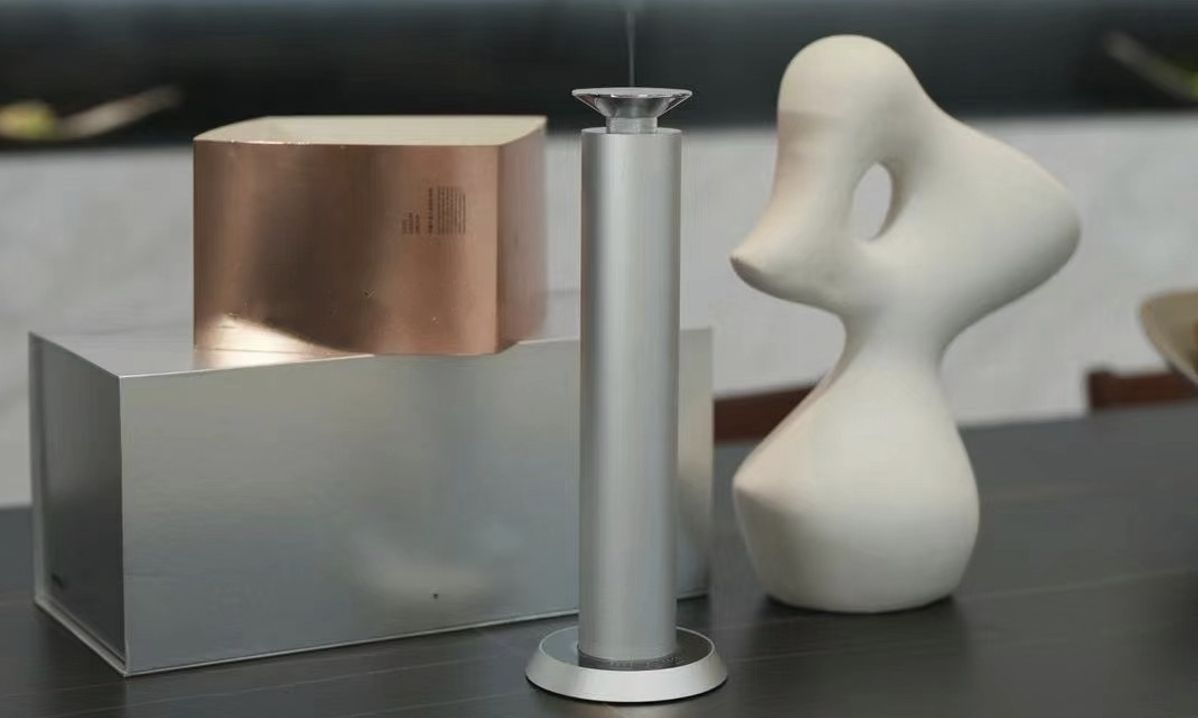
Why Use Cases Matter More Than Technology Specs
For B2B buyers, choosing between nebulizing diffusers and ultrasonic diffusers is rarely about technology alone.
In real commercial environments—hotels, spas, and retail spaces—the decision is driven by use cases, including:
-
Brand positioning
-
Space size & scent coverage
-
Maintenance capacity
-
Safety & compliance
-
Long-term operating cost
As a nebulizing diffuser supplier in China serving global OEM and ODM clients, DiffuPure has seen that the right diffuser depends heavily on where and how it is used.
This playbook breaks down when each technology makes sense—and when it does not.
👉Learn more: Nebulizing vs Ultrasonic Diffusers: The Complete B2B Comparison
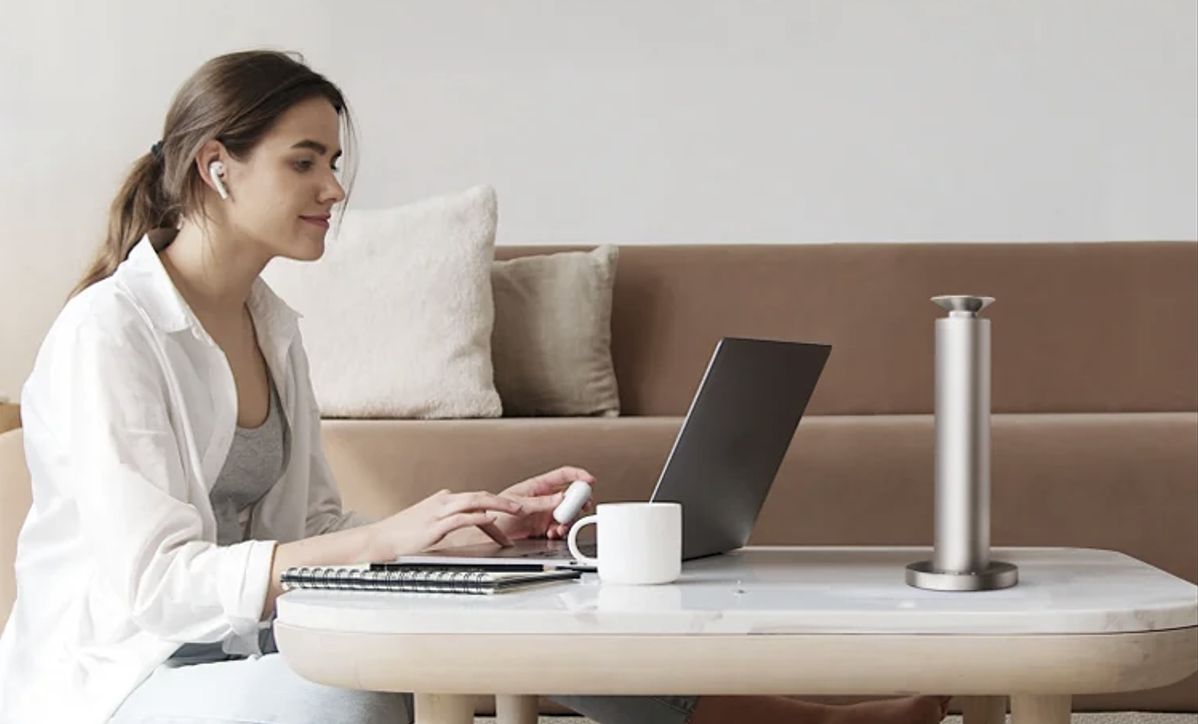 1. Hotels: Consistent Scenting & Brand Experience
Best Choice: Nebulizing Diffusers
Hotels prioritize consistent scent identity, especially in:
-
Lobbies
-
Corridors
-
VIP lounges
-
Boutique hotel rooms
Why nebulizing diffusers work better:
-
Stronger and more even scent coverage
-
Waterless operation → no humidity impact
-
Pure essential oil diffusion → luxury brand alignment
-
Compatible with glass & concrete designs for premium interiors
Ultrasonic diffusers, while affordable, often struggle in hotel environments due to:
-
Limited coverage
-
Frequent refilling
-
Inconsistent scent intensity
👉 For hospitality scent branding, nebulizing diffusers are the industry-preferred solution.
Which Diffuser Gives Stronger Scent & Better Coverage?
2. Spas & Wellness Centers: Purity, Safety & Therapeutic Value
Best Choice: Nebulizing Diffusers
Spas and wellness centers are highly sensitive to:
-
Essential oil purity
-
Client health and safety
-
Professional aromatherapy standards
Nebulizing diffusers:
-
No heat, no water → preserves essential oil chemistry
-
Glass oil-contact parts → no contamination
-
Ideal for clinical or therapeutic aromatherapy
Ultrasonic diffusers may dilute oils and introduce variability, which is less desirable in professional wellness environments.
For spa chains sourcing globally, working with a diffuser manufacturer in China that understands compliance and material safety is critical.
3. Retail Spaces: Flexibility & Cost Control
Depends on Retail Format
Retail is where both technologies can coexist, depending on scale.
Small Retail Stores & Boutiques
-
Ultrasonic diffusers may be sufficient
-
Lower upfront cost
-
Suitable for short operating hours
Flagship Stores & Chain Retail
-
Nebulizing diffusers provide:
-
Wider coverage
-
Stronger scent branding
-
Better scent consistency across locations
-
Many global retail brands now use nebulizing diffusers for flagship stores and ultrasonic models for smaller outlets.
👉Learn more: IFRA – Fragrance & Scent Safety Standards
4. Maintenance & Daily Operation Reality
| Factor | Nebulizing Diffuser | Ultrasonic Diffuser |
|---|---|---|
| Water refill | ❌ Not needed | ✅ Required |
| Cleaning frequency | Low | High |
| Risk of mold/bacteria | Minimal | Higher |
| Staff training | Simple | Moderate |
From an operations perspective, nebulizing diffusers reduce daily workload, which matters greatly in hotels and spas.
5. OEM & ODM Perspective: Matching Product to Market
For importers and private-label brands, choosing the wrong technology leads to:
-
Customer complaints
-
Higher after-sales costs
-
Brand dilution
A professional nebulizing diffuser factory in China should help buyers:
-
Map use cases before production
-
Select materials based on the environment
-
Customize output power & coverage
-
Ensure compliance for target markets (CE, FCC, RoHS)
Technology selection should always start with use-case clarity, not unit price.
Conclusion: Choose by Environment, Not Assumptions
There is no “one-size-fits-all” diffuser.
-
Hotels & Spas → Nebulizing diffusers
-
Flagship Retail → Nebulizing diffusers
-
Small Retail / Entry-Level Use → Ultrasonic diffusers
For B2B buyers, partnering with an experienced nebulizing diffuser supplier in China ensures the right product is matched to the right application—protecting both brand image and long-term ROI.