When sourcing aroma diffusers for international markets, health, safety, and regulatory compliance are no longer optional — they are critical decision factors.
For B2B buyers supplying wellness brands, hotels, healthcare facilities, or commercial spaces, the choice between nebulizing diffusers and ultrasonic diffusers has direct implications for:
-
User health & indoor air quality
-
Material safety and chemical exposure
-
Compliance with CE, FCC, RoHS, REACH, and other regulations
As a nebulizing diffuser supplier in China with OEM and ODM capabilities, DiffuPure works closely with global clients to ensure products meet both performance expectations and regulatory standards.
1. Health Impact: How Diffusion Technology Affects Air Quality
Nebulizing Diffusers (Waterless Technology)
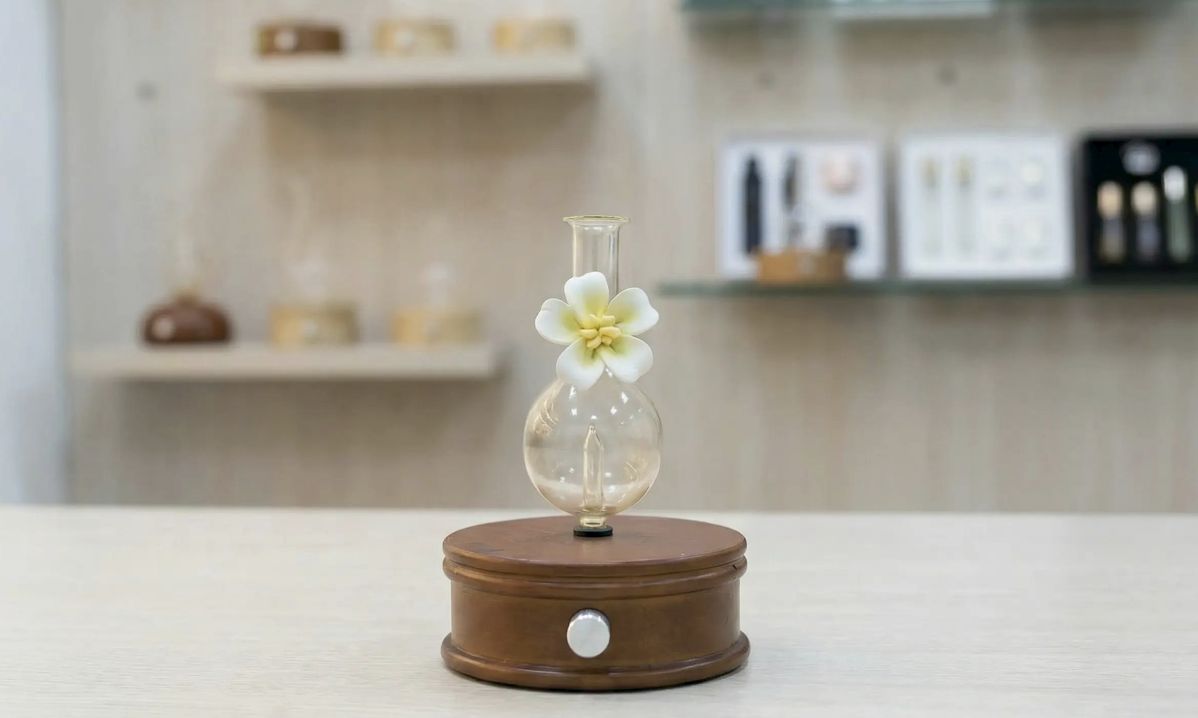
Nebulizing diffusers operate without water or heat, dispersing essential oils in their pure molecular form.
Health-related advantages:
-
No dilution → predictable and consistent concentration
-
No standing water → no bacterial or mold growth
-
No heat → preserves volatile therapeutic compounds
-
Typically paired with glass oil-contact components, reducing chemical interaction
For professional aromatherapy and wellness environments, this is often considered the cleanest diffusion method.
Ultrasonic Diffusers
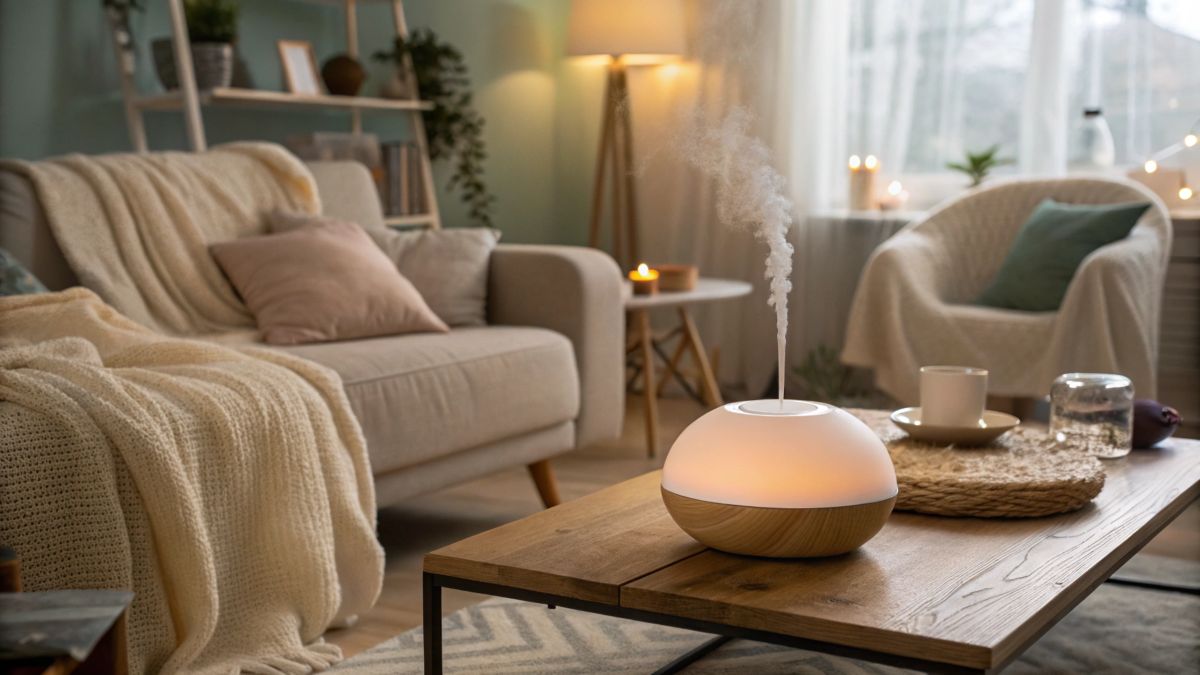
Ultrasonic diffusers use high-frequency vibration to atomize a water–oil mixture.
Potential health considerations:
-
Standing water may harbor bacteria if not cleaned regularly
-
Plastic water tanks may interact with essential oils over time
-
Variable oil concentration due to dilution
For B2B and commercial applications, health consistency is harder to control.
 2. Material Safety: Glass, Plastic & Long-Term Exposure
Material selection is a core safety issue, especially for continuous-use environments.
| Component | Nebulizing Diffuser | Ultrasonic Diffuser |
|---|---|---|
| Oil-contact parts | Medical-grade glass | Plastic water tank |
| Chemical stability | Inert, non-reactive | Potential plastic degradation |
| Residue & contamination | Minimal | Possible over time |
From a compliance standpoint, glass-based nebulizing diffusers align better with long-term safety expectations in premium and regulated markets.
Learn more: TCO & Lifecycle Cost Comparison of nebulizing diffuser vs ultrasonic diffuser
3. Regulatory Compliance for Global Markets
For B2B buyers importing from China, compliance is a decisive factor.
Common Certifications Required:
-
CE / EMC / LVD – European Union
-
FCC – United States
-
RoHS & REACH – Material safety & chemical restrictions
-
UKCA – United Kingdom
-
CB Report – International electrical safety
Nebulizing diffusers, with simpler mechanical structures and no heating elements, often face fewer regulatory complications compared to ultrasonic models.
As a diffuser manufacturer in China, DiffuPure supports:
-
Pre-compliance design review
-
Material documentation (glass, seals, plastics)
-
OEM labeling & certification alignment
4. Safety in Commercial & Healthcare Environments
In hotels, clinics, spas, and hospitals, safety concerns extend beyond the device itself:
-
No aerosolized water → reduced humidity-related risks
-
Controlled scent output → easier compliance with indoor air guidelines
-
Durable materials → reduced breakage and maintenance issues
For these sectors, nebulizing diffusers are increasingly specified in project tenders.
Learn more: NIH / PubMed – Essential oil inhalation studies
5. OEM & ODM Considerations: Designing for Compliance from Day One
For private-label brands, compliance should be designed into the product, not added later.
A reliable nebulizing diffuser factory in China should offer:
-
Material selection aligned with target markets
-
Custom voltage & plug standards
-
Compliance-ready packaging and labeling
-
Documentation support for importers and distributors
This is where OEM/ODM expertise becomes a strategic advantage, not just a cost factor.
Conclusion: Choosing the Safer Path for Long-Term B2B Growth
When evaluating nebulizing vs ultrasonic diffusers, health, safety, and compliance increasingly favor waterless nebulizing technology, especially for:
-
Premium wellness brands
-
Commercial and hospitality projects
-
Healthcare-adjacent environments
For global buyers, working with an experienced nebulizing diffuser supplier in China ensures products meet both market expectations and regulatory realities.